About us
What a small workshop
learns in sixty years.
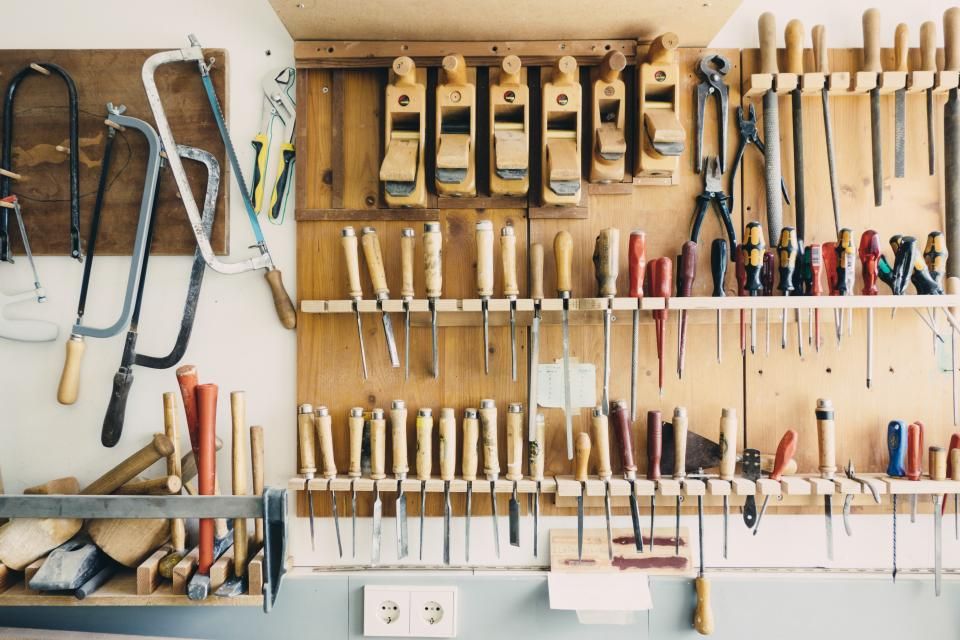
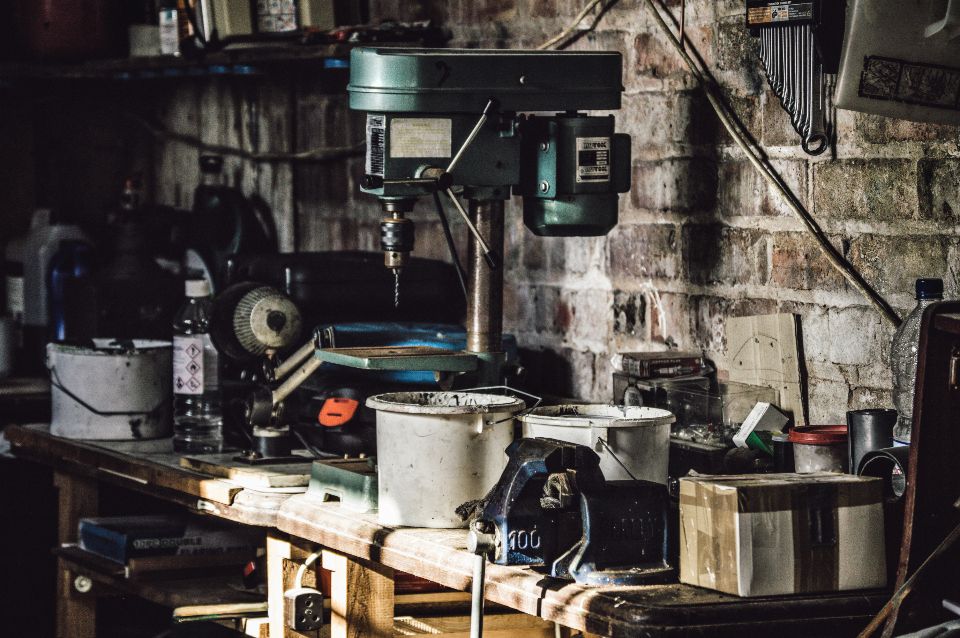
Nagitsuchi began in 1961 with a single lathe. We do not use press tooling: every piece is formed by hand on a spinning blank. That means we will never be the cheapest at a million units — but we can make a hundred pieces that are each exactly right, and change the shape between batches if you need us to.
History
Timeline
1961
Founder Shozo Kasai sets up one lathe in a row-house workshop in Ota, Tokyo. The first job: reflectors for bicycle lamps.
1978
Copper coffee pots and lamp shades for Tokyo’s kissaten cafés earn the workshop a name for hand finishing.
1994
The second generation introduces hand-hammered finishes, moving from anonymous subcontract work to a finish of our own.
2012
Our first overseas project: a pendant shade co-developed with a Scandinavian lighting designer.
2019
An English-language project desk, plus export packing and documentation in-house.
2026
Third generation, eighteen craftspeople, and work installed in hotels, restaurants and homes in fourteen countries.
The timeline, people and headcount are fictional.
People
Eighteen pairs of hands
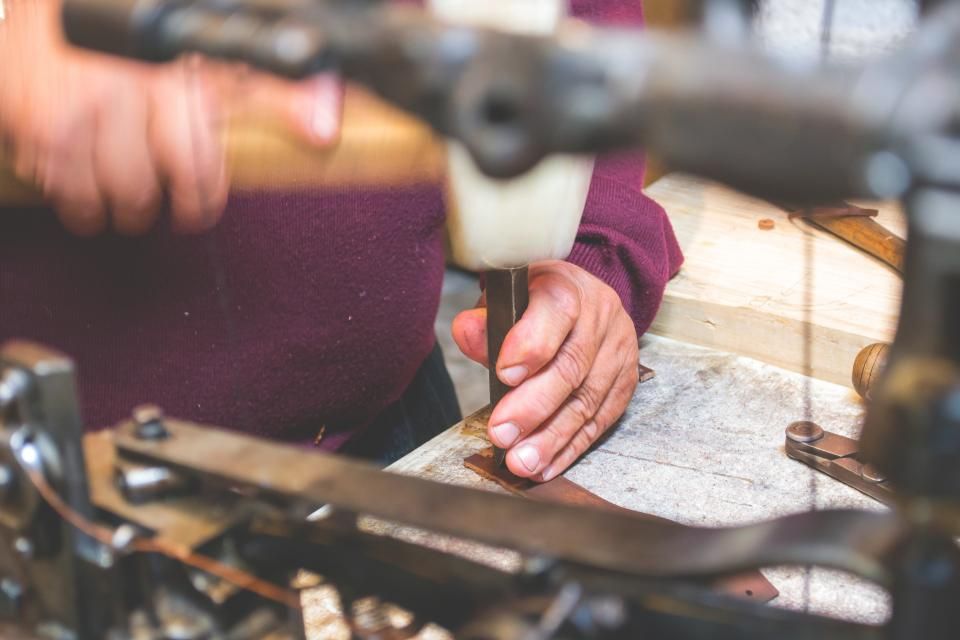
We would rather you looked at the hands than the faces — so that is what we photograph.
6
Spinning
The heart of the workshop. It takes about ten years to become a fully fledged spinner.
5
Hammering
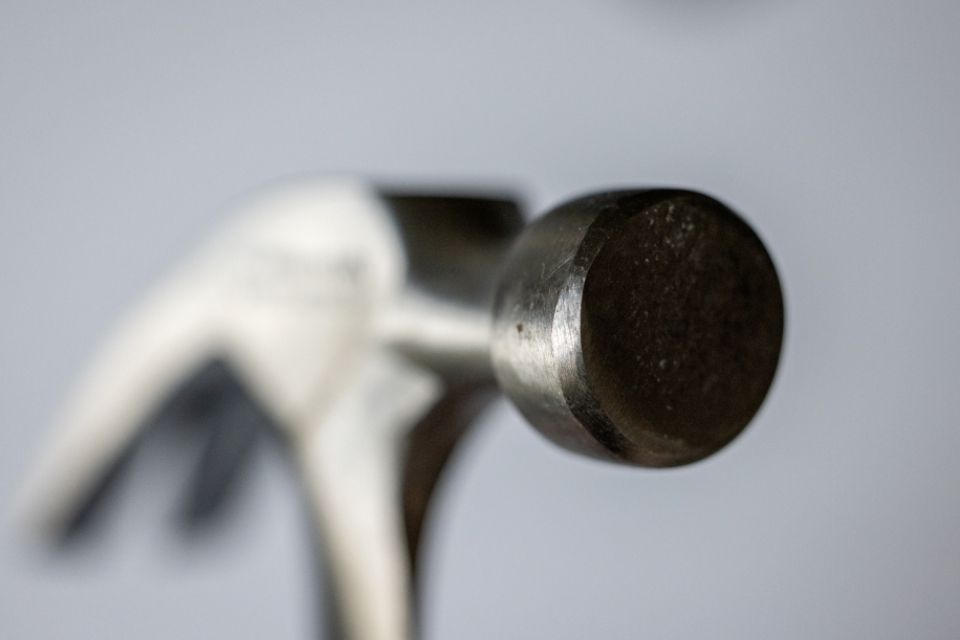
Choosing between dozens of hammers and stakes, one strike at a time.
4
Finishing & QC
Polishing, colouring and tin-lining — then every single piece checked by hand and eye.
3
Engineering & export desk
Drawings, quotes and shipping paperwork, in direct contact with your team in English.
How we work
From first email to delivery
01
Brief & drawings
Tell us the form, quantity and where it will be used — a drawing, sketch or photo is fine.
1–3 days
02
Chuck making
We turn a wooden or steel chuck to match the form.
3–5 days
03
Spinning
The blank is spun on the lathe and worked down onto the chuck.
10–40 min / pc
04
Hammering
Set on a stake, the surface is hammered by hand, mark by mark.
20–90 min / pc
05
Finishing
Polish, brush, blacken, patinate or tin-line.
2–5 days
06
QC & export packing
100% inspection, a cotton bag for every piece, export-grade cartons.
1–2 days
What we hold to
Made to be repaired
We will re-tin or refinish our pieces years from now. We design on the assumption that they will be used for a long time.
Nothing wasted
Every offcut left from cutting blanks goes back to a local refiner and becomes sheet metal again.
A reply within one working day
A real person answers every enquiry, in English or Japanese, within one working day (JST).
Start with a single prototype.
No drawing yet? A sketch or a reference photo is enough to begin. We work in English, quote within three working days and ship worldwide — FOB Tokyo or DAP to your door.